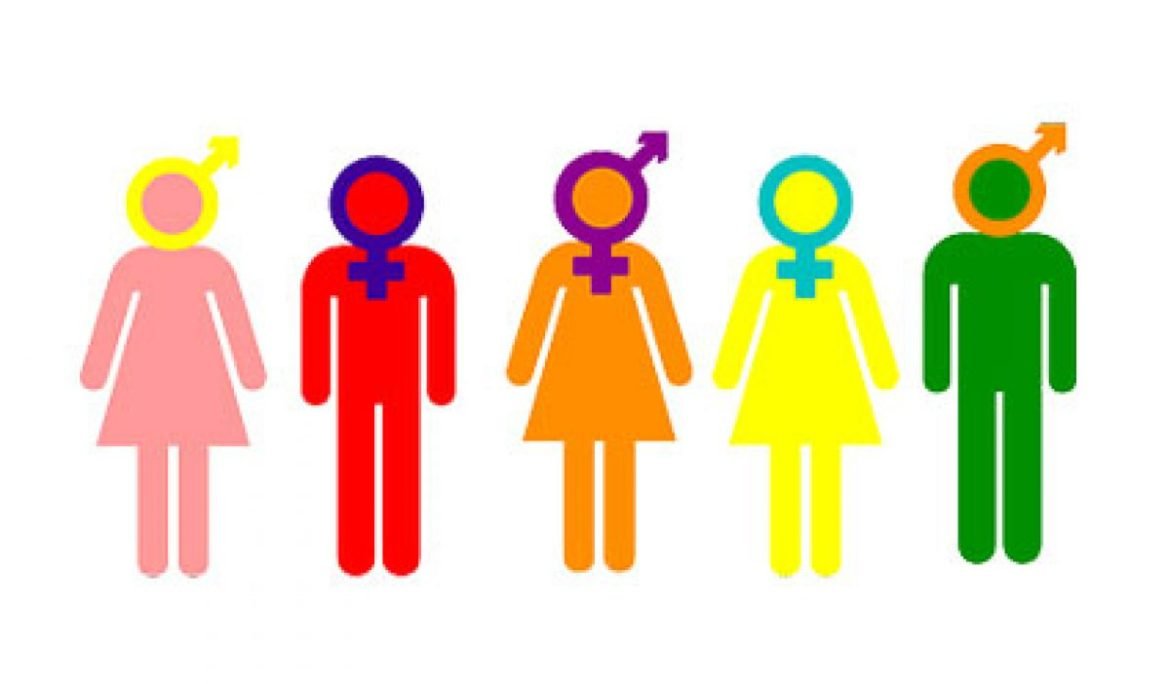
It's a question whispered in forums, debated on talk shows, and algorithmically amplified across our feeds: Why Celebrity Sexual Orientation Becomes a Topic of Public Interest? From casual speculation to relentless pressure campaigns, the private lives of public figures, particularly their sexualities, often become a curiously public spectacle. It’s not just about idle curiosity; it’s a complex interplay of media strategy, fan culture, political leverage, and our own deeply ingrained societal norms.
When a celebrity's romantic life comes under the microscope, their sexual orientation is frequently the first detail scrutinized. Is it genuine interest, a quest for representation, or something far more cynical at play? Let's unpack the layers of this fascinating, often uncomfortable, phenomenon.
At a Glance: Why Celebrity Sexual Orientation Becomes Public Fodder
- Parasocial Bonds: Fans feel an intimate, one-sided connection to celebrities, blurring boundaries and fueling a perceived right to know private details.
- Media Weaponization: News and entertainment outlets strategically exploit sexual orientation narratives to drive engagement, polarize audiences, and shape cultural dialogues.
- Political Battleground: LGBTQ+ issues, including celebrity sexualities, are instrumentalized by political factions to signal ideologies and galvanize support.
- Pressure for Explanation: Celebrities face intense scrutiny to "come out" or explain their relationships, even when they are private, still figuring things out, or identify differently than expected.
- The Engagement Economy: Speculation and controversy around sexuality generate clicks, views, and ad revenue, reducing individuals to symbols rather than people.
- Search for Representation: For many, a celebrity's visible queer identity offers validation and a sense of belonging, creating a demand for authenticity.
The Unspoken Contract: Why We Care (Or Think We Do)
At its heart, the public's fascination with celebrity sexual orientation stems from the unique relationship we form with public figures. We invest emotional energy, time, and attention into their careers, their personas, and often, their imagined lives. This isn't just passive consumption; it's an active, albeit one-sided, relationship.
This phenomenon is best understood through the lens of parasocial relationships. You feel like you know a celebrity – you've watched their interviews, followed their social media, celebrated their triumphs, and mourned their setbacks. This illusion of intimacy can make you feel entitled to deeper insights into their personal world, including their romantic life and sexual identity. When a celebrity is perceived as "queer-coded" in their art or public persona, but then appears in a heterosexual relationship, the dissonance can lead to fan disappointment or even a sense of betrayal. It's as if an expected narrative has been disrupted, leading to demands for clarification or explanation.
But here's the crucial distinction: that blurred boundary doesn't grant us a right to their privacy. While celebrities choose a public life, they don't forfeit their right to self-determination over their most intimate details. The question "Why do celebrities have to explain their sexualities?" itself points to a fundamental societal failing in respecting personal autonomy.
From Representation to Weaponization: Media's Role in the Spotlight
The media's handling of celebrity sexual orientation has undergone a significant transformation. What began as a vital push for visibility and equal representation for LGBTQ+ individuals has, in many ways, devolved into a strategic instrument for profit and power.
Initially, seeing openly gay, lesbian, bisexual, or transgender celebrities provided crucial validation for countless individuals grappling with their own identities. It chipped away at stigma, fostered acceptance, and offered powerful role models. However, this positive momentum has been increasingly co-opted.
Today, media institutions and political parties often utilize celebrity sexual orientation as a cultural flashpoint rather than a matter of personal freedom or civil rights. News outlets, particularly those driven by clicks and engagement, exploit these narratives by highlighting controversial stories. Think about debates surrounding educational policies, corporate inclusivity initiatives, or gender identity in sports—these become fodder for sharp dividing lines, often reducing complex human experiences to symbols of moral or political allegiance.
Narratives are frequently framed in extremes, turning nuanced discussions into sensational headlines. For example, if a celebrity's dating life deviates from public expectation, it can be amplified into an "outrage cycle" designed to generate virality, often at the expense of the individual's privacy and well-being. This plays directly into the current media landscape, where algorithms and echo chambers amplify sensationalism, ensuring these stories are reframed to fit pre-existing political narratives. This dynamic helps explain why speculation around figures like Ryan Reynolds' sexuality might persist, despite their publicly established relationships—it feeds into a narrative, even if fabricated, that keeps people engaged.
The Political Battleground: Ideology vs. Identity
Beyond mere engagement, celebrity sexual orientation has become a potent tool in the political arena. Political parties on both sides of the spectrum seize on this trend to further their agendas:
- Progressives might highlight an openly queer celebrity's story to signal inclusivity, modernity, and support for civil rights. While this can genuinely advance understanding, it can also become a branding tool, sometimes prioritizing optics over sustained advocacy.
- Conservatives, on the other hand, might frame increasing LGBTQ+ visibility—including that of celebrities—as a threat to traditional values, parental rights, or cultural norms. This framing is designed to galvanize their base and rally opposition to perceived "wokeness" or social change.
In both scenarios, the individual celebrity and their actual experiences can become secondary. Their sexual orientation is instrumentalized for political gain, often ignoring the real needs, challenges, and perspectives of LGBTQ+ individuals themselves. This risks undermining genuine progress, shifting the conversation from empathy and human rights to strategic politicking.
The Pressure Cooker: Why Celebrities 'Explain' Themselves
The intense scrutiny around celebrity sexual orientation isn't just theoretical; it manifests as direct, often aggressive, pressure on individuals to explain themselves. Shawn Mendes, Billie Eilish, and Lena Mantler are just a few examples of public figures who have faced intense demands to define or justify their sexualities. This demand is an undeniable invasion of privacy.
Imagine being in the public eye, still figuring out who you are, or simply preferring to keep your romantic life private, only to have millions of people dissecting your every interaction, speculating about your identity, and even expressing disappointment if your relationships don't align with their expectations. This is the reality for many celebrities.
Social media platforms, while connecting us, have exacerbated this issue. They've amplified parasocial relationships to an unprecedented degree, making fans feel closer and thus, paradoxically, more entitled. But as the ground truth reminds us, this blurring of boundaries does not grant fans the right to question, pressure, or judge celebrities on their sexualities.
The core principle should always be to accept individuals as they are, allowing them the space to exist, grow, and define themselves without constantly demanding explanations.
Behind the Curtain: The Business of Speculation
Why does this speculative cycle continue unabated? Follow the money. In the attention economy, celebrity gossip—especially about sexuality—is big business.
- Engagement Metrics: Stories about celebrity sexual orientation, particularly those involving "reveals," rumors, or controversies, generate immense clicks, shares, likes, and comments. This engagement translates directly into higher ad revenue for media outlets.
- Commodification of Identity: A celebrity's identity, including their sexual orientation, can be commodified. Brands might align with a newly "out" celebrity for marketing purposes, or tabloids might pay for "exclusive" stories about their private lives. This reduces a deeply personal aspect of identity to a commercial asset.
- Tabloid Culture: For decades, tabloids have thrived on sensationalism. The digital age has only supercharged this, making it easier to spread rumors and speculation globally in an instant. The more ambiguous a situation, the more fuel for speculation, and the longer the story can run.
- Narrative Control: Sometimes, a celebrity or their team might strategically choose to address or reveal aspects of their sexual orientation. This isn't always coerced; it can be an act of agency, to take control of a narrative before it's taken from them, or to genuinely share their truth on their own terms. However, this act often occurs within a system that encourages, if not demands, such disclosures.
This constant pressure for disclosure means that even when a celebrity wishes for privacy, the sheer volume of speculation can force their hand, pushing them into a corner where they feel they must address rumors to regain a semblance of control over their personal story.
Navigating the Nuances: Beyond Binary Thinking
Part of the public interest problem also lies in our collective tendency to think about sexuality in rigid, binary terms. We often default to "gay or straight," "out or closeted," when in reality, sexual orientation is a vast, fluid spectrum.
Many individuals, celebrities included, are still figuring out their identities, or they may identify in ways that don't fit neatly into conventional labels (e.g., bisexual, pansexual, asexual, demisexual). Forcing a label or demanding a definitive "explanation" ignores this complexity and puts immense pressure on individuals who may not yet have those answers for themselves, or simply prefer not to share them.
Respecting a celebrity's journey means acknowledging that:
- Identity is personal: No one owes anyone an explanation of their sexuality.
- Fluidity is real: Sexual orientation can evolve over time.
- Privacy is paramount: Even public figures deserve boundaries.
The fixation on a celebrity's sexual orientation often overshadows their actual work, contributions, and artistic merit, reducing them to a single facet of their being.
Common Misconceptions & Ethical Dilemmas
Let's address some common arguments often raised when celebrity sexual orientation becomes a topic of public interest:
Misconception 1: "They're public figures, they owe us their private lives."
- Reality: While celebrities choose a public profession, they don't sign away their fundamental human right to privacy, especially concerning their intimate lives. Public visibility for work does not equate to complete personal transparency. There’s a distinction between performing for the public and being public property.
Misconception 2: "If they're queer-coded or ambiguous, they're inviting speculation." - Reality: Art and persona can be interpreted in many ways. An artist might intentionally create ambiguity in their work, or their natural mannerisms might be "queer-coded" without any intention of revealing their private sexual orientation. This is an artistic choice or personal expression, not an invitation for invasive questions about their bedroom. It’s a projection by the audience, not a declaration by the celebrity.
Misconception 3: "Coming out helps other LGBTQ+ people, so they have a moral obligation." - Reality: While visible representation is incredibly powerful and necessary, it must be authentic and voluntary. Pressuring someone to come out before they're ready, or forcing them to carry the burden of representation, can be detrimental to their mental health and autonomy. True solidarity means respecting individual choices and protecting their well-being, not demanding sacrifices. When a celebrity chooses to share their truth, it can be profoundly impactful, but that choice must be theirs alone.
Ethical Dilemma: Balancing Visibility with Exploitation
This is perhaps the most challenging aspect. We want to see diverse representation in media, including LGBTQ+ individuals. However, the line between empowering visibility and exploitative spectacle is often blurred. How do we champion genuine representation without creating a system that pressures individuals to disclose for public consumption or political gain? The answer lies in fostering a culture of consent, respect, and focusing on the impact of a story rather than just its sensational value.
Shifting the Narrative: A Call for Respect and Responsibility
Understanding why celebrity sexual orientation becomes a topic of public interest is the first step toward changing the conversation. It means recognizing the underlying forces at play – media strategies, political instrumentalization, parasocial dynamics – and actively pushing back against them.
What Fans Can Do:
- Practice Mindful Engagement: Before commenting or sharing, ask yourself: Is this respectful? Am I entitled to this information? Am I contributing to harmful speculation?
- Respect Boundaries: Recognize that a celebrity’s private life is, by definition, private. Admire their work without demanding access to their intimacy.
- Champion Authenticity: Support celebrities who choose to share their stories on their own terms, and respect those who choose privacy. Focus on their art and contributions.
- Question Media Motives: Be critical of headlines and narratives that sensationalize or exploit personal identities for clicks.
What Media Outlets Can Do: - Prioritize Ethics Over Engagement: Shift focus from sensationalism to responsible, empathetic reporting.
- Educate Audiences: Help foster understanding about the nuances of sexual orientation and gender identity, rather than reducing them to political symbols.
- Respect Privacy: Adhere to journalistic ethics that protect individuals from unwarranted intrusion, regardless of their public profile.
- Amplify Authentic Voices: Provide platforms for LGBTQ+ individuals to tell their own stories, rather than speculating about others.
What Celebrities (and their Teams) Can Do: - Set Clear Boundaries: While challenging, establishing and communicating personal boundaries can help manage public expectations.
- Control the Narrative: If they choose to share aspects of their identity, doing so on their own terms, in their own words, can be empowering.
- Lean into Privacy: It's okay to simply not comment on speculation. Sometimes silence is the most powerful response.
Ultimately, shifting the narrative around celebrity sexual orientation requires a collective effort to reclaim empathy. It means moving beyond identity politics and profit motives, and remembering that behind every headline and every rumor, there is a human being with a right to privacy, dignity, and self-determination.
Your Role in a More Empathetic Conversation
The fascination with celebrity sexual orientation isn't going away overnight. It's too deeply ingrained in our media consumption habits and the current political landscape. However, we, as consumers of media, have immense power to influence the direction of this conversation.
Every time you choose not to click on a speculative headline, every time you push back against invasive questions in an online forum, and every time you advocate for respectful boundaries, you contribute to a more humane and empathetic public discourse. Let’s move towards a world where a celebrity's worth is measured by their talent and character, not by how openly they discuss their personal relationships, and where the focus is on celebrating their achievements rather than dissecting their identities.